
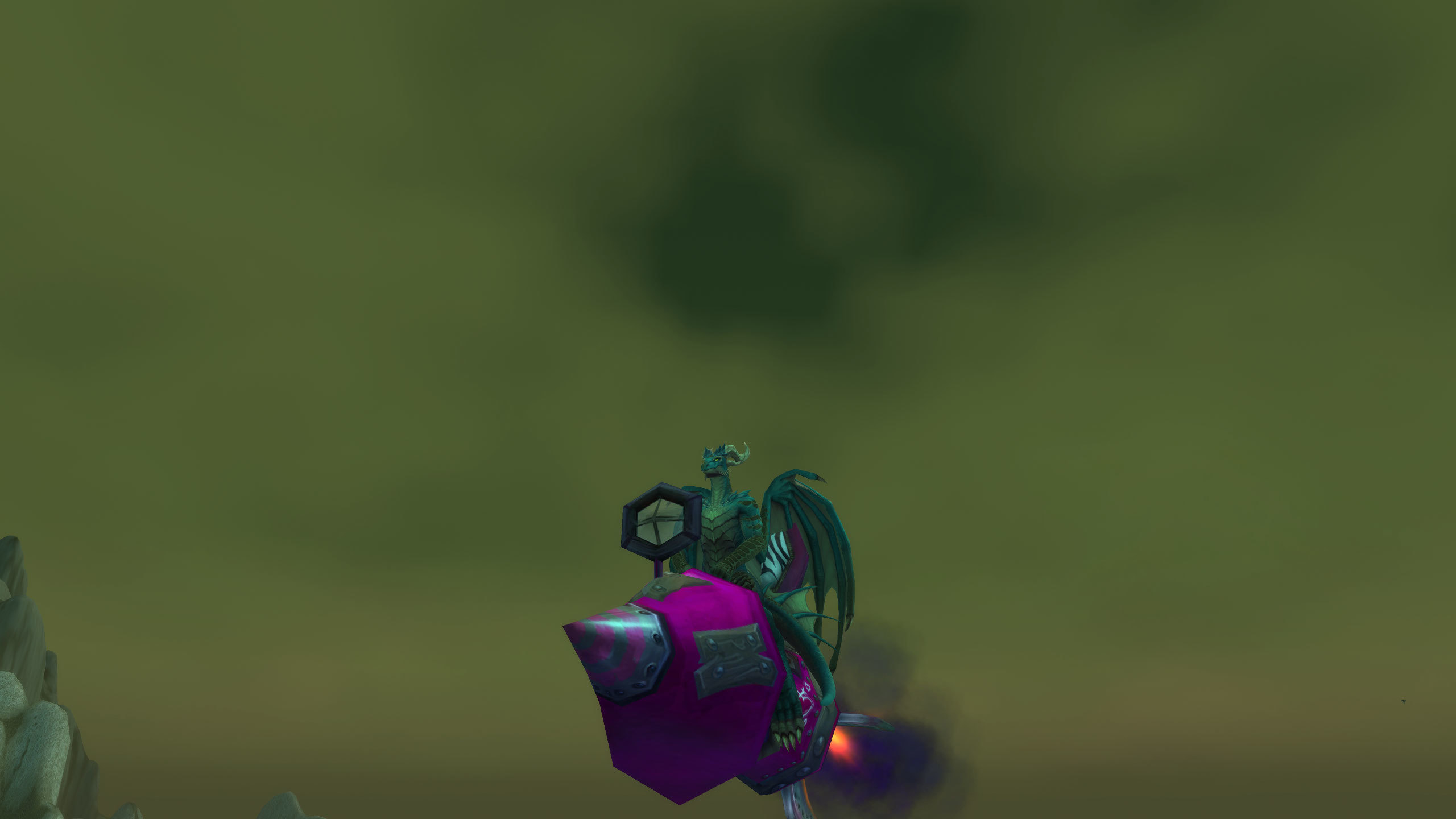
Dragonflight introduced a movement system that reshaped how players interact with the world. Skyriding wasn’t simply a new form of travel — it was a reimagining of exploration, pacing, and freedom. By blending speed, momentum, and skill, Skyriding transformed the act of traversal into an expressive, exhilarating experience. The sky became a playground rather than a highway, encouraging discovery through fluid motion and extended reach.
This article explores how Skyriding set a new standard for MMO exploration, redefining how players connect with landscapes from the air.
Movement That Feels Alive
Skyriding brought movement to life through design rooted in physics rather than static hovering. Gaining altitude required intent; diving created speed; banking through cliffs and ravines felt organic. This breathed life into the world itself — mountains became meaningful obstacles, valleys became natural routes, and vertical space became part of active traversal rather than a backdrop. Players no longer floated above terrain; they interacted with it.
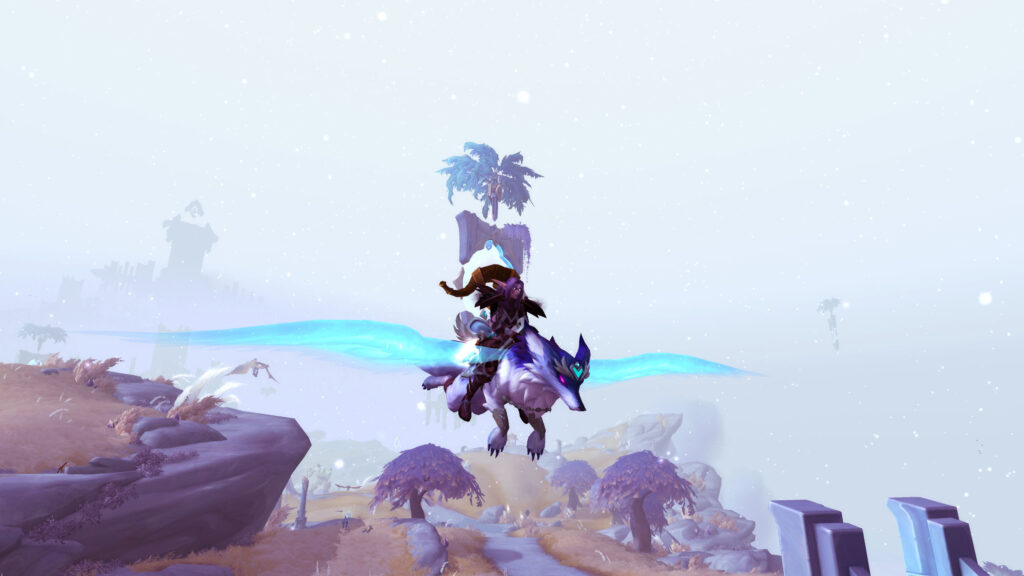
Every flight became a journey shaped by instinct and momentum.
A World Designed for Motion
Dragonflight’s zones embraced verticality with deliberate complexity. Peaks, arches, towers, waterfalls, and sky corridors created an aerial ecosystem built for movement. Exploration felt intuitive because the world invited players to glide, dive, and weave through its features. The design emphasized discovery through physicality — players traced the shape of terrain not because they had to, but because it felt exhilarating.
To highlight how Skyriding integrates with the world, here is a brief breakdown:
- High-altitude starting points that reward climbing and gliding
- Natural wind currents that extend flight paths
- Vertical landmarks that redefine navigation
- Hidden ledges and ancient ruins accessible only by skillful dives
- Long-distance routes shaped by terrain flow
Skill Expression Through Freedom
Traditional flight offered convenience; Skyriding offered mastery. Players improved not through gear or systems, but through practice — learning timing, control, and the rhythm of momentum. This sense of skill expression elevated traversal into a rewarding experience. Mastering Skyriding meant carving personalized routes through the sky, turning even simple journeys into acts of creative motion.
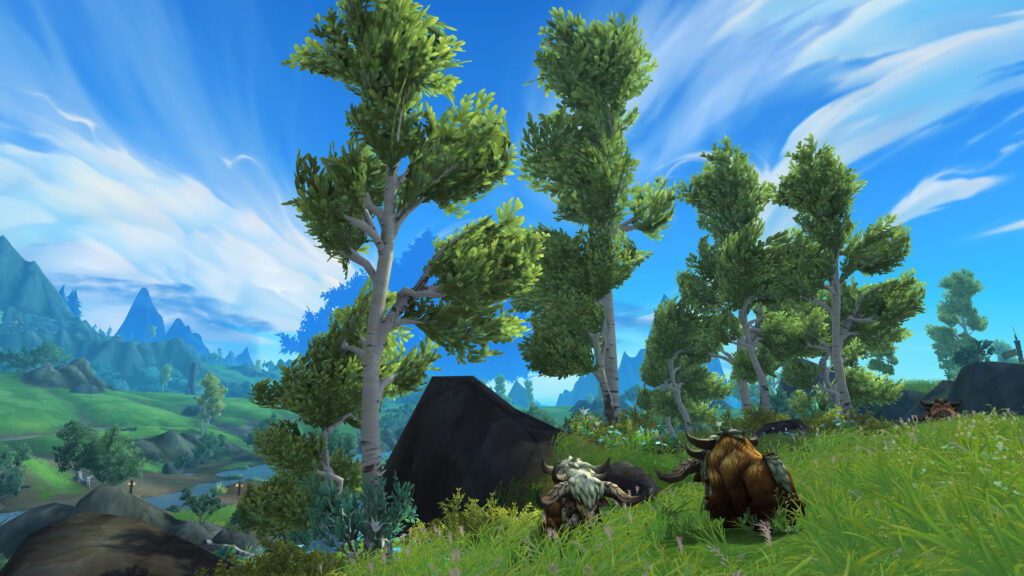
Movement became a form of expression, not just transportation.
The Emotional Impact of Flight With Consequence
Skyriding reintroduced emotional engagement with the act of travel. Losing momentum carried consequence; regaining it through a perfect dive felt empowering. Movement had texture — highs, lows, risk, and reward. This imbued exploration with far more emotional depth than passive, directionless flight ever offered. The sky regained mystery because it demanded attention and intention.
Travel felt meaningful again.
Why Skyriding Set a New Standard
By blending freedom, skill, and world design, Skyriding established a new benchmark for aerial traversal. It satisfied both convenience and immersion, speed and nuance. Future MMO systems will inevitably be compared to it because it made exploration feel exciting, modern, and connected to terrain. Rather than flattening the world through passive flight, Skyriding elevated its features — quite literally — into core gameplay.
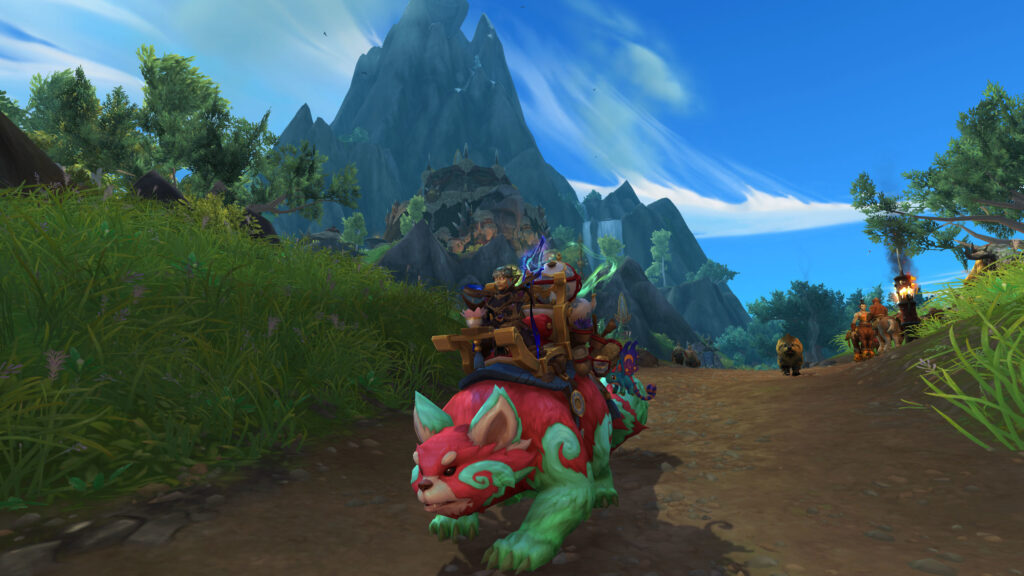
Exploration became an adventure in its own right.
Conclusion
Dragonflight’s Skyriding system redefined exploration through movement that is dynamic, expressive, and deeply connected to world design.
By turning flight into an active experience shaped by momentum and mastery, the system set a new standard for how MMOs can encourage discovery. It brought the sky to life — transforming travel into a thrilling, memorable part of the journey.